


This Earthen Door: 2021 - 2025
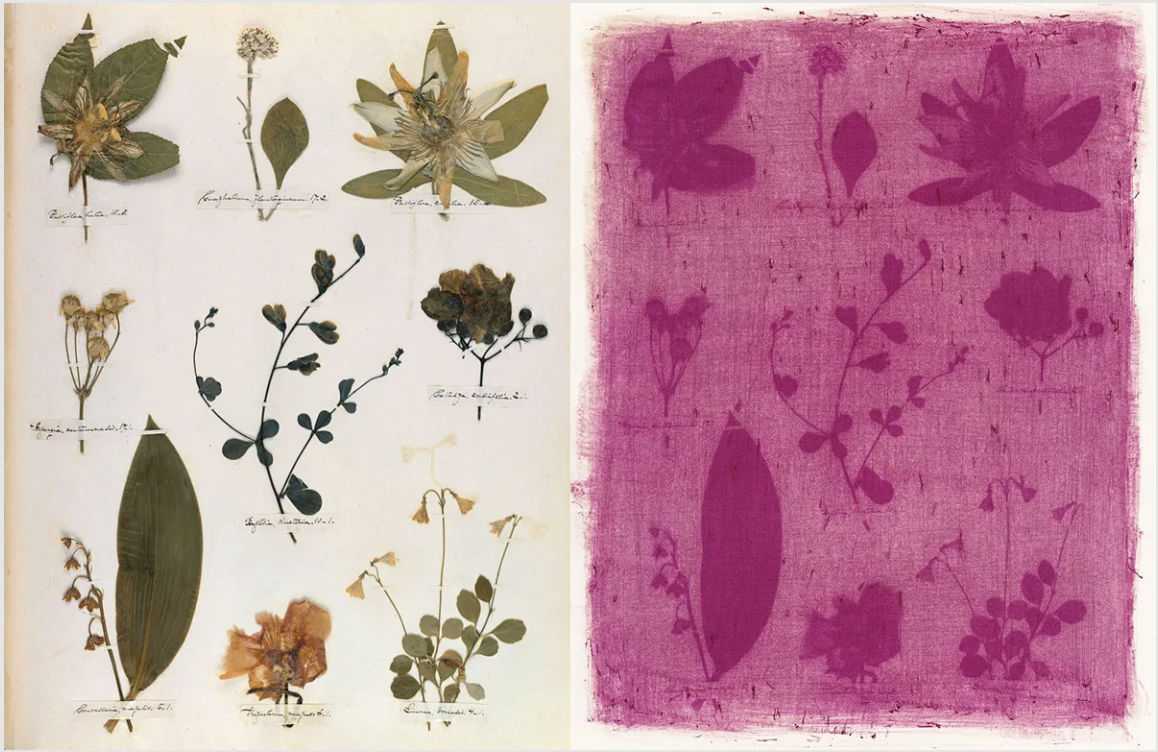
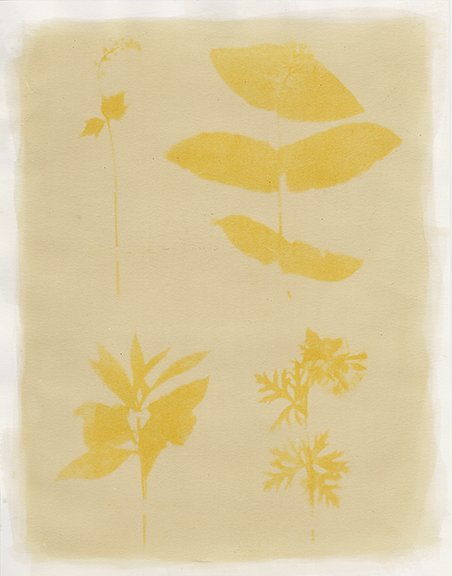
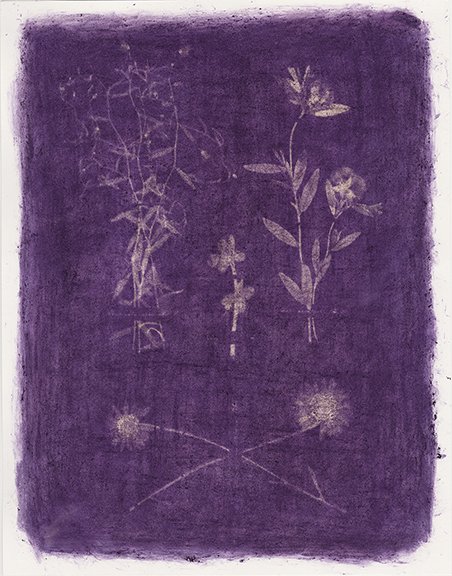
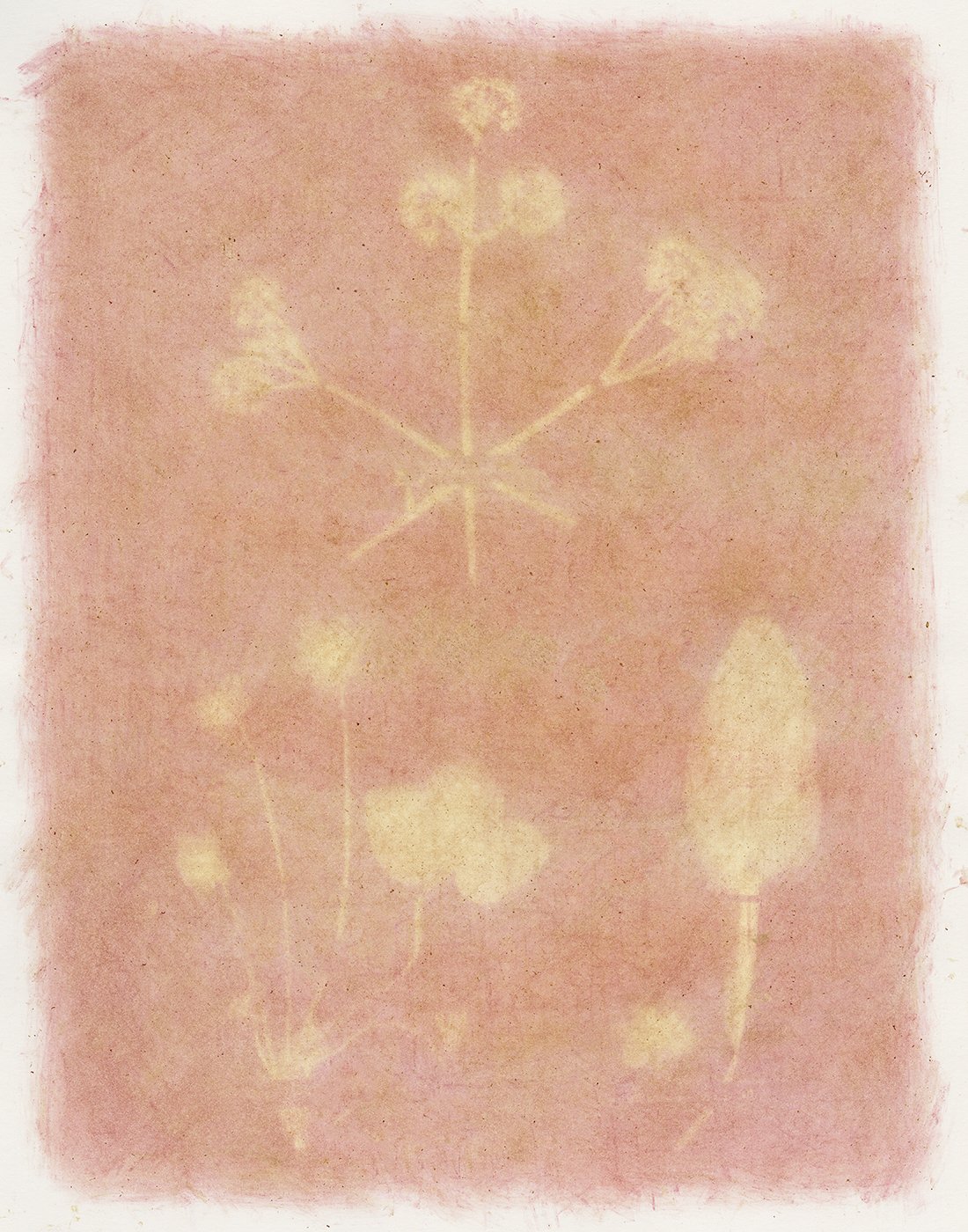
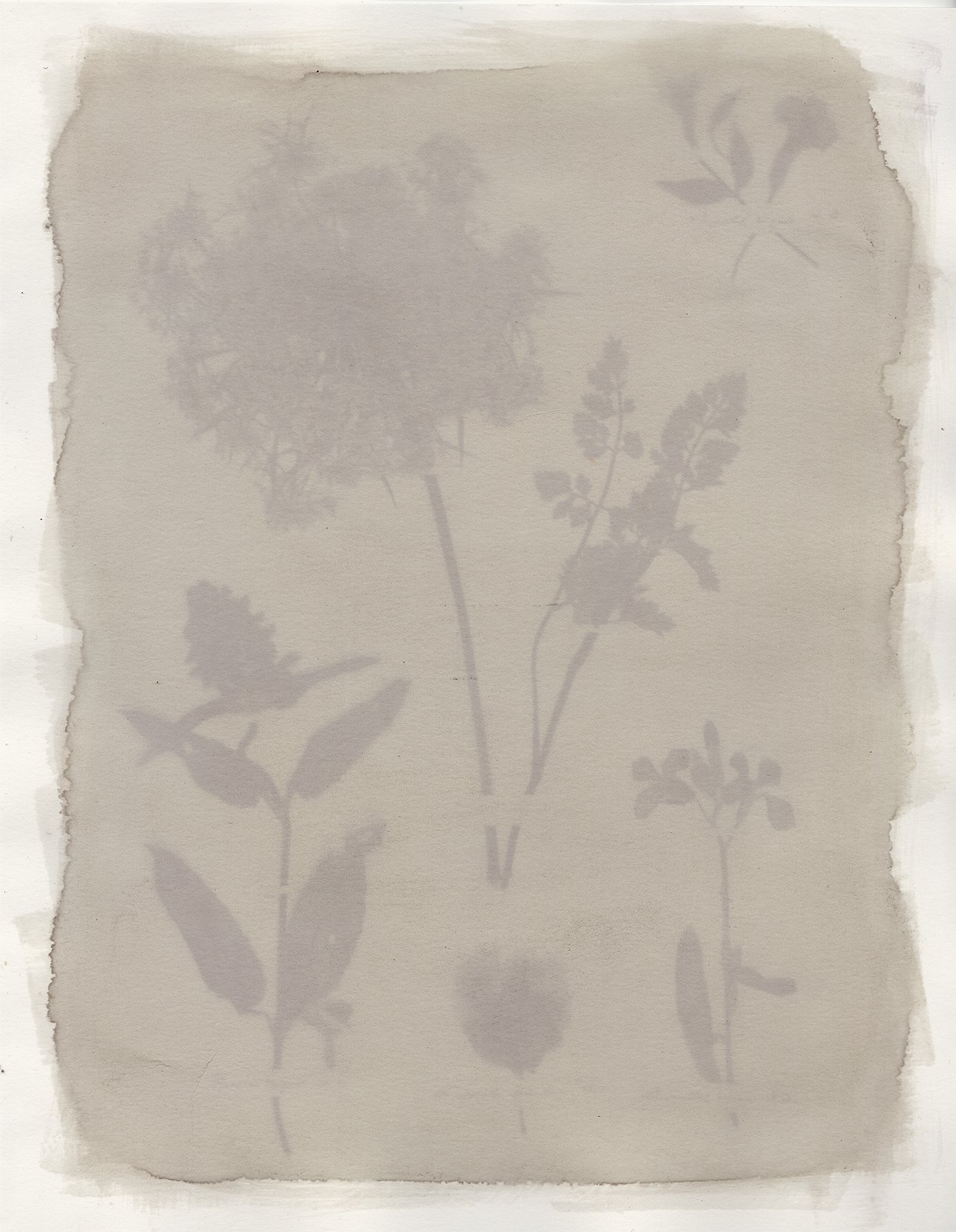
This eco-feminist collaboration with artist Leah Sobsey reanimates Emily Dickinson’s herbarium (botanical sampler) in a work of and for our time. The project employs Anthotypes (from the Greek meaning flower), a plant-based photo process invented during Dickinson’s era just as photography was being born. During her life Dickinson was not famous for her poetry, but for her green thumb - she had an extensive garden and was an avid student of botany. Our project re-makes her 66 herbarium pages with plant pigments from 66 species that we grew and harvested in our own gardens - and that Dickinson grew, among the 400+ herbarium species.
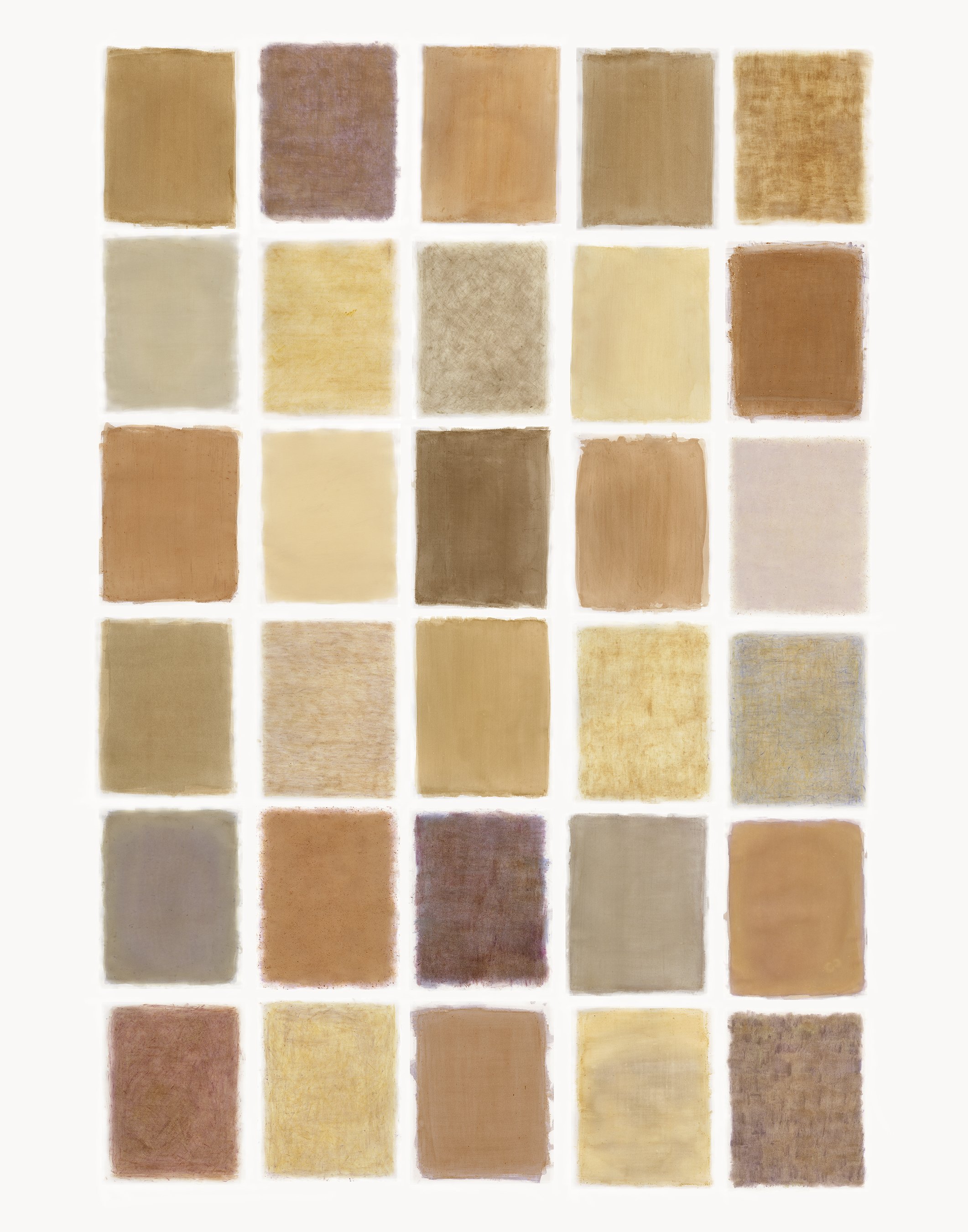
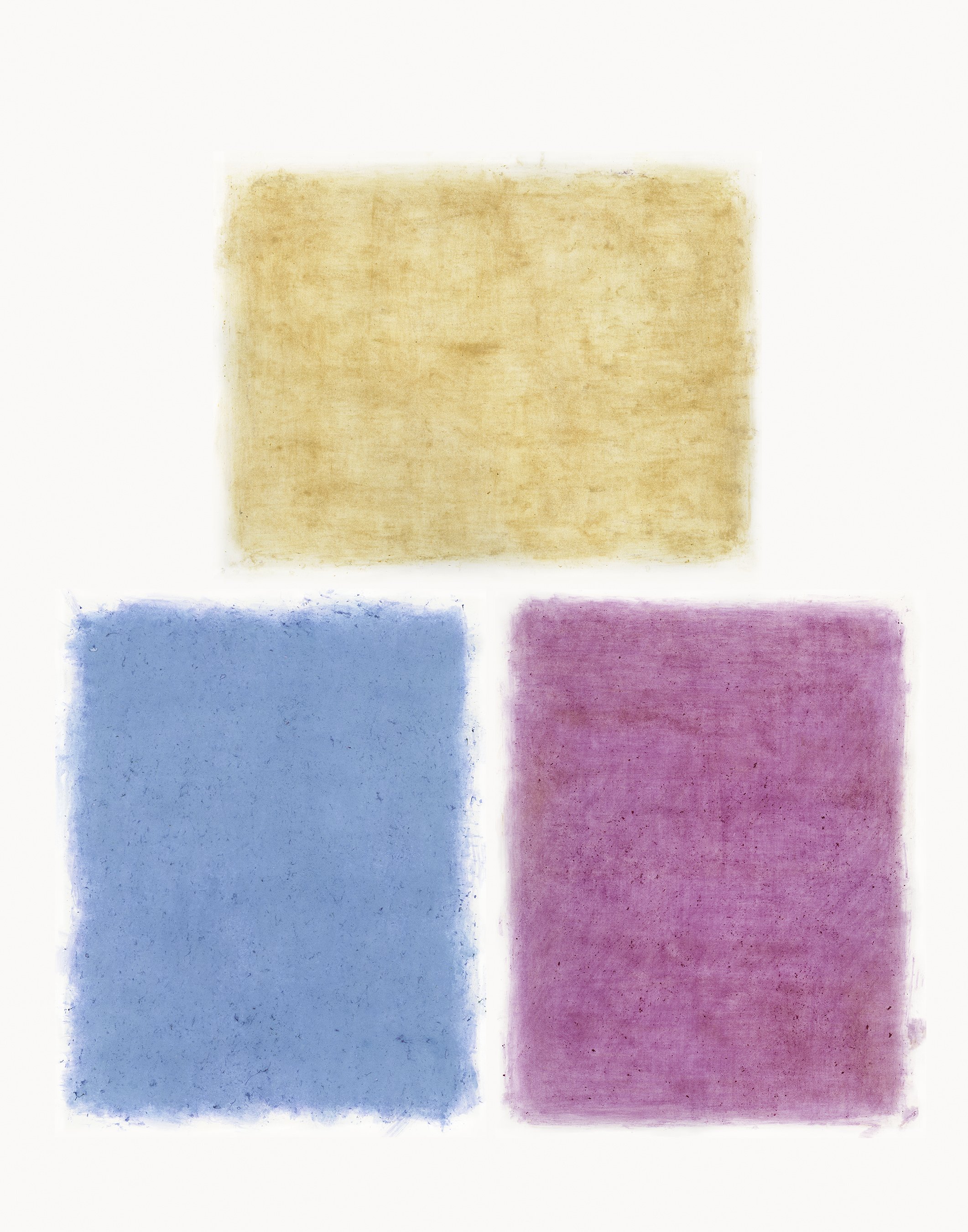
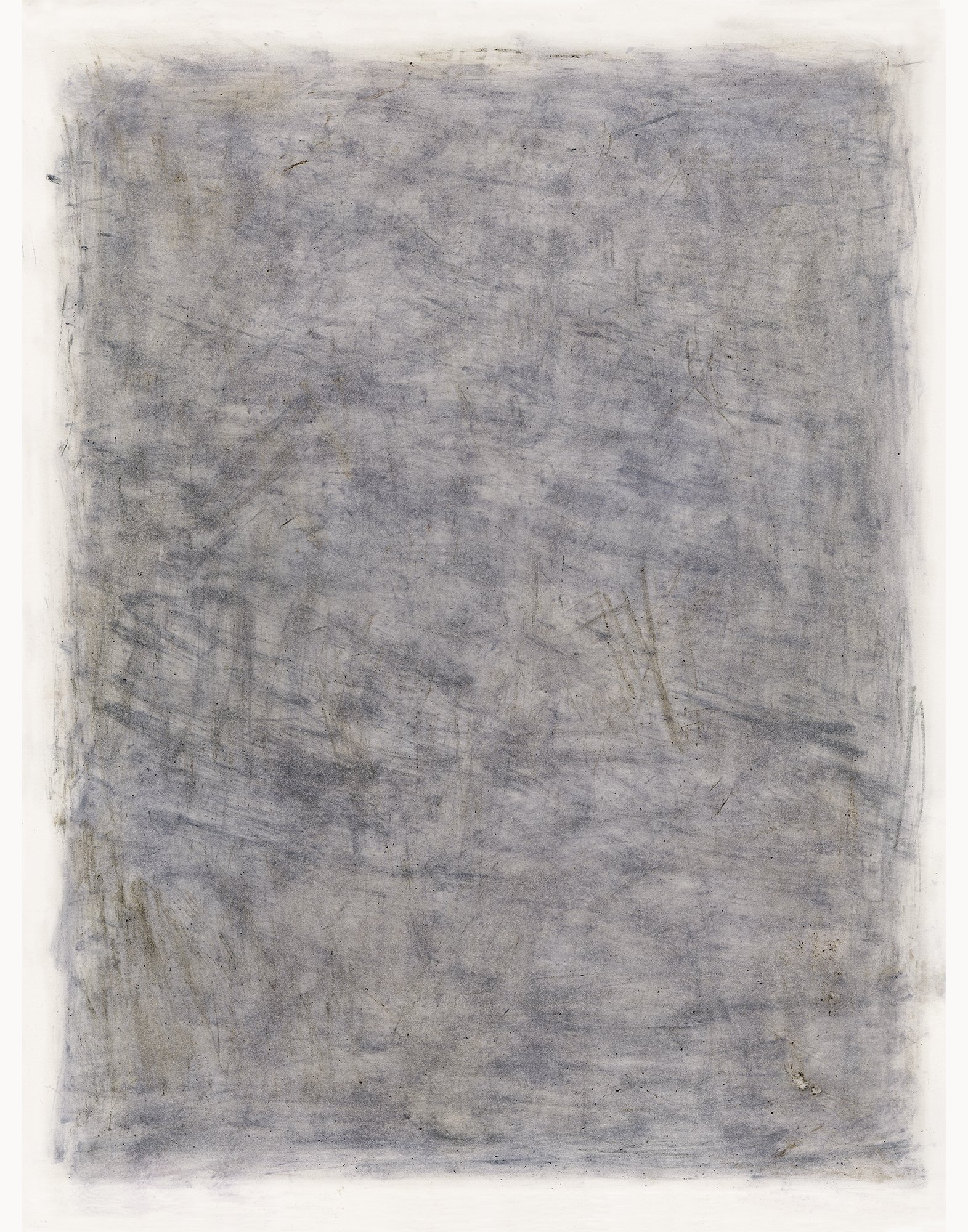
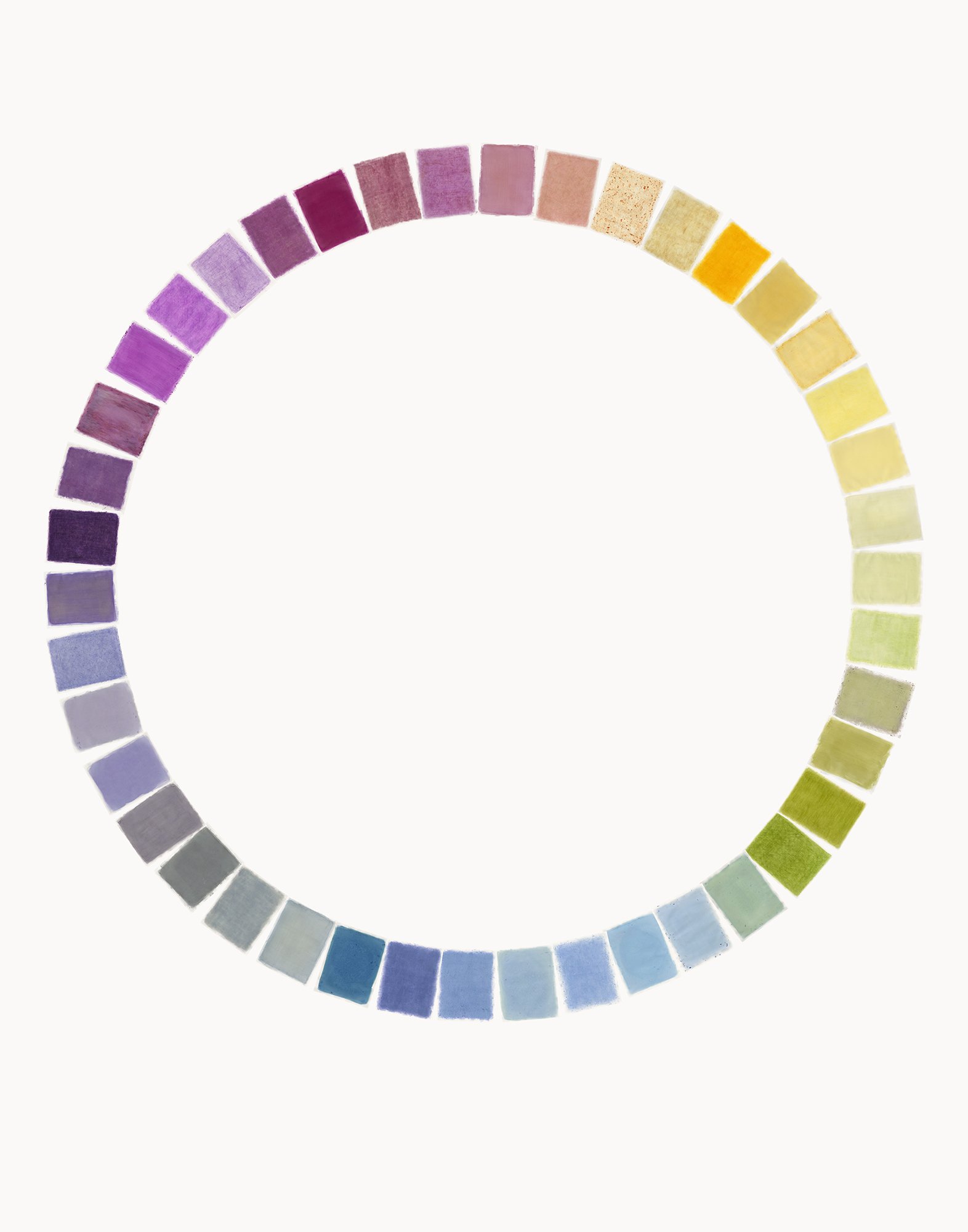
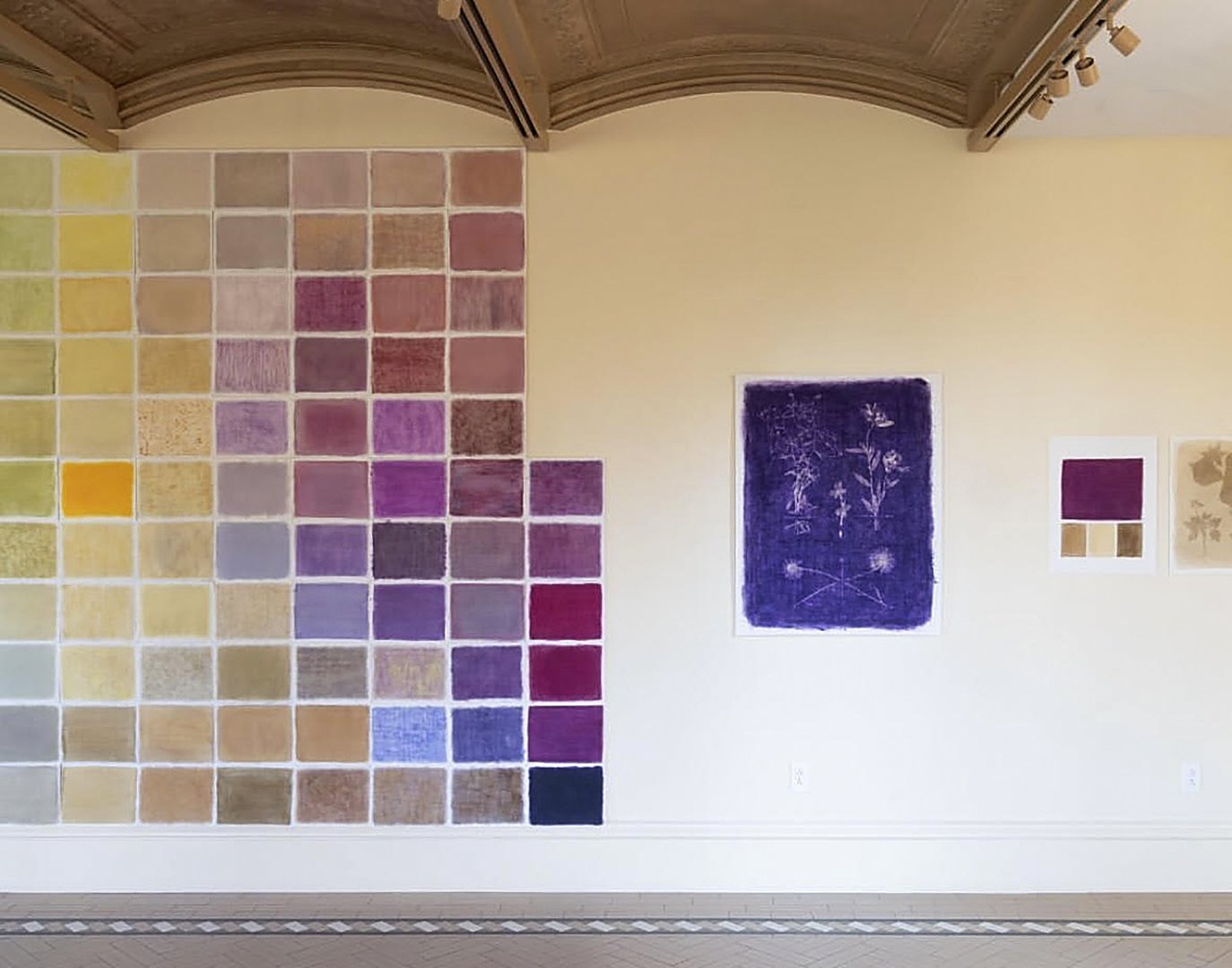
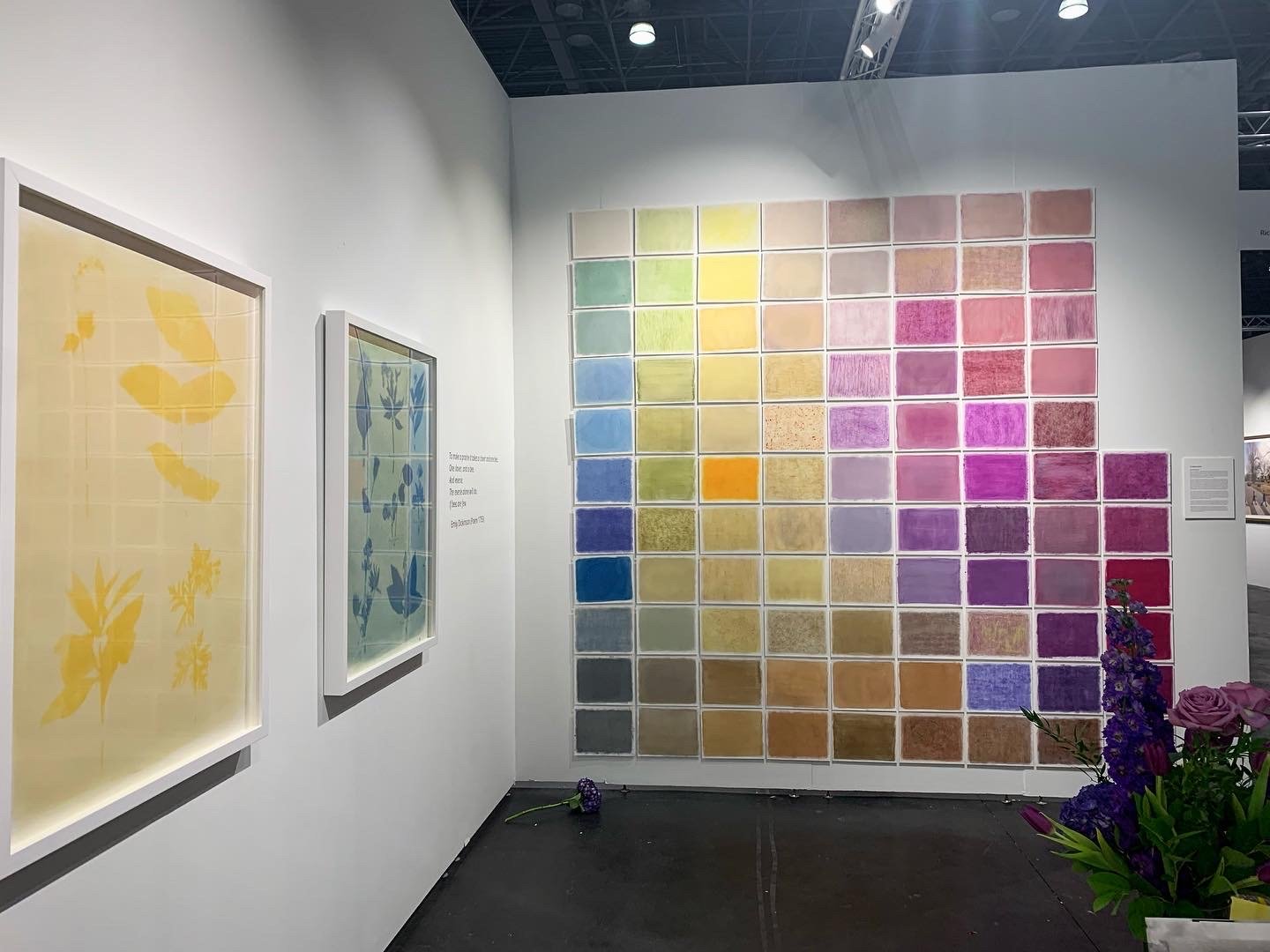
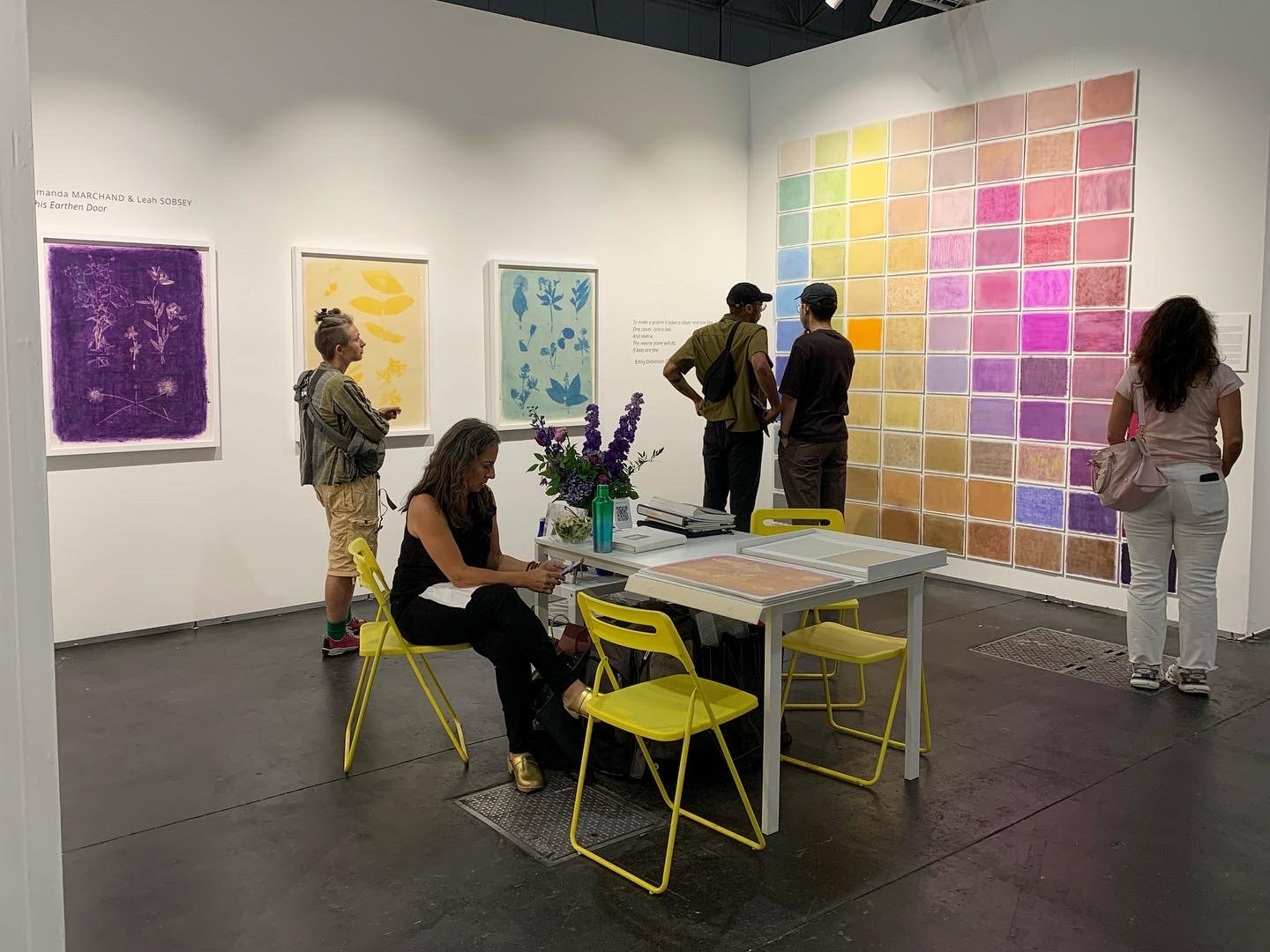
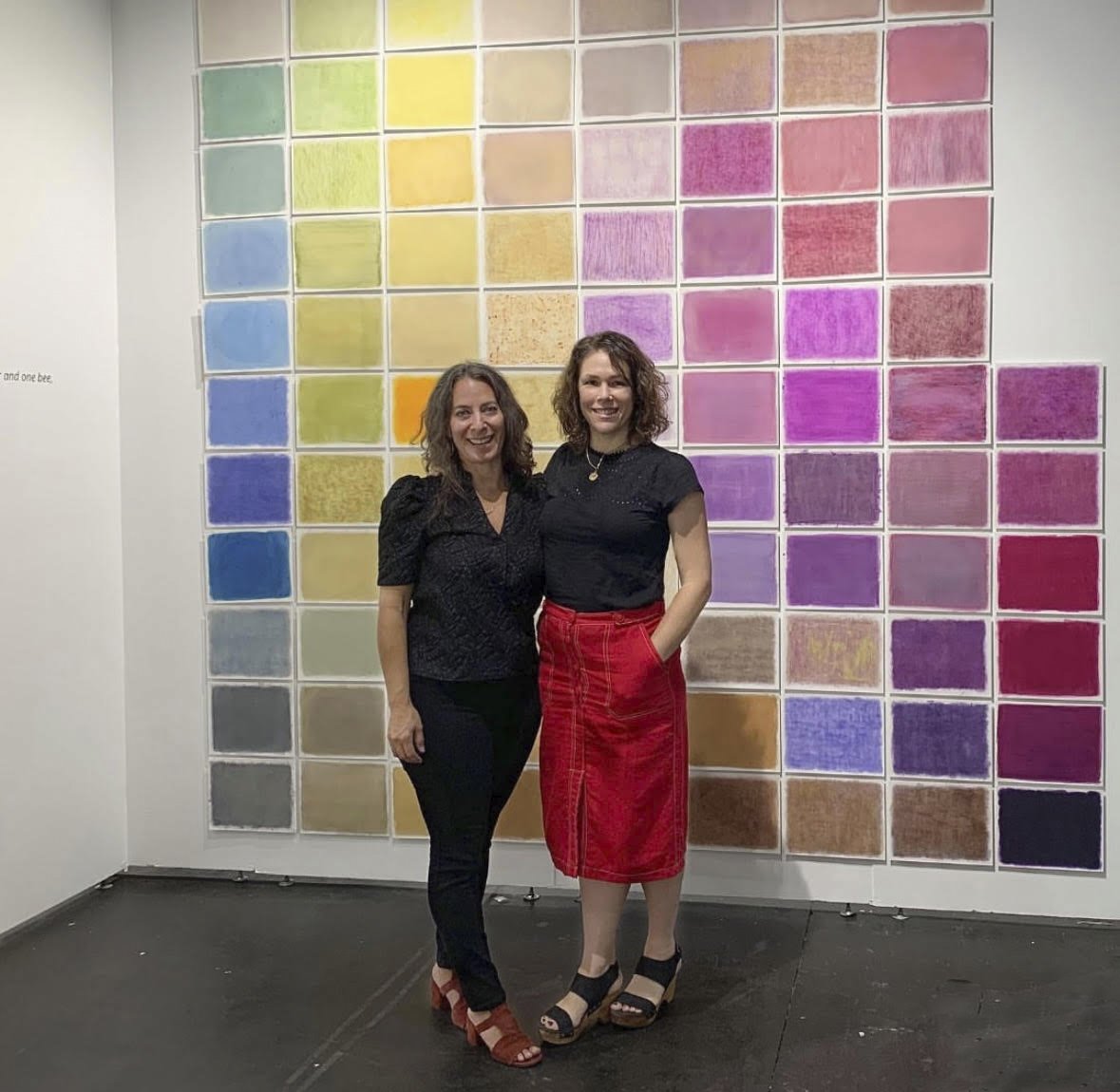
This Earthen Door considers the current state of climate crisis, investigating our connection to nature - and asks where Emily would point us today. We partnered with scientists-scholars, Dr. Kyra Krakos and Peter Grima, to expand upon Emily’s flower sampler. The color schemas are “data drawings” constructed from research, made with plant our pigments. These abstract color compositions form our own 21st-Century herbarium. Each piece is accompanied by text, stories about Dickinson the poet-gardener, about ethnobotany, and the natural world. This second half of the project is a sumptuous study of color, telling contemporary plant stories through Dickinson’s world of flowers.
Washington Post - Op Ed: We re-created a 200-year-old Garden
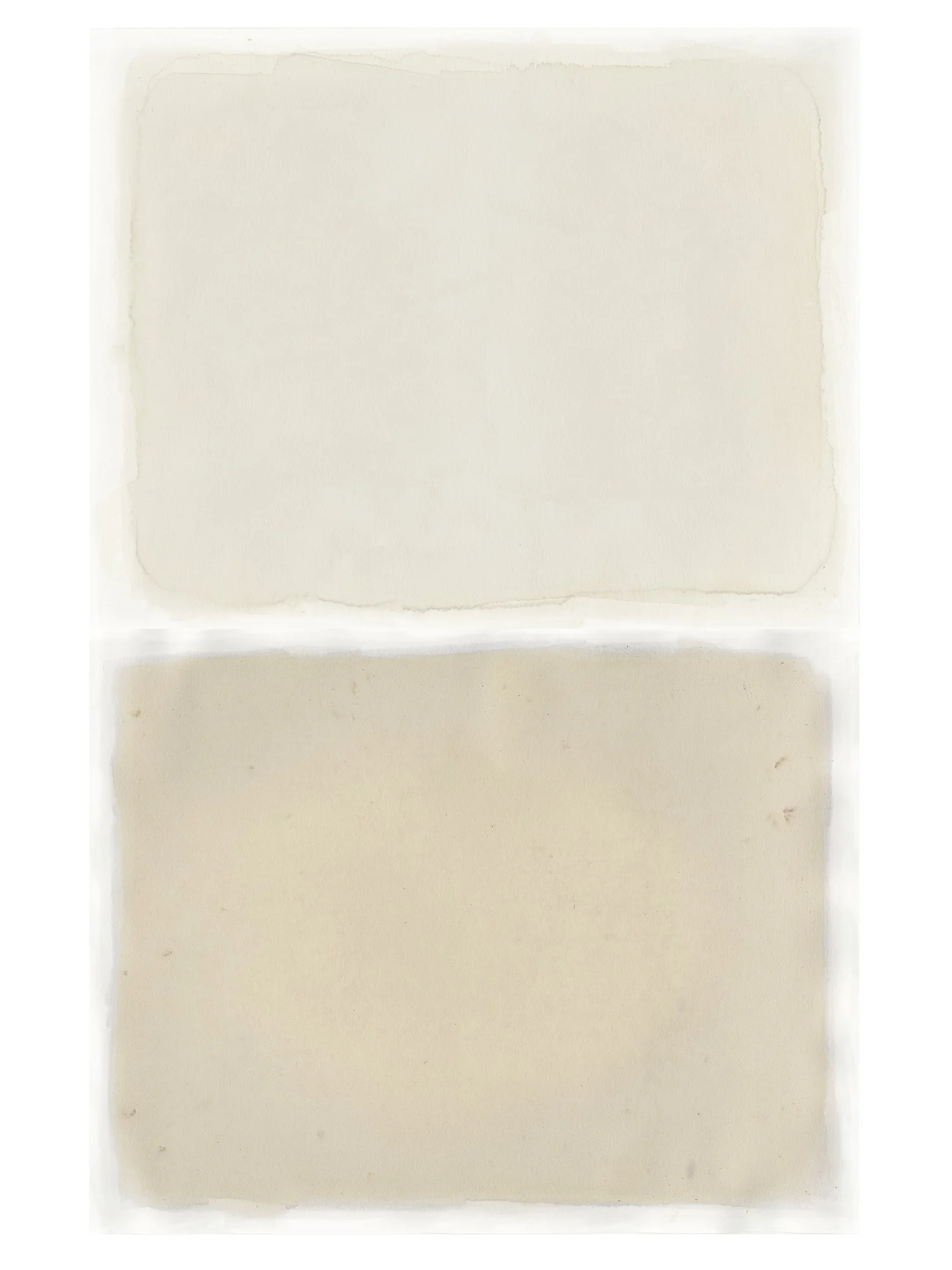
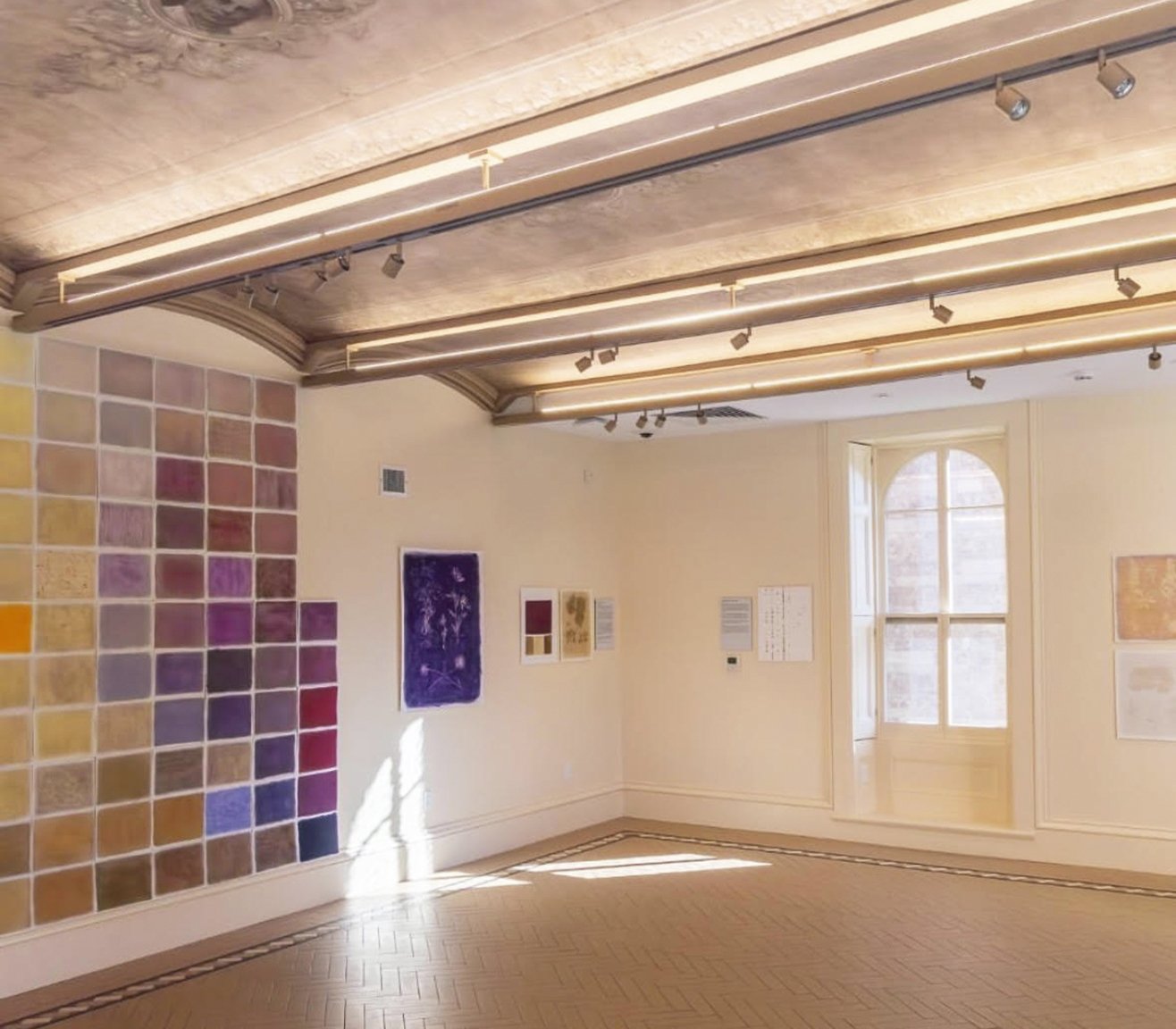
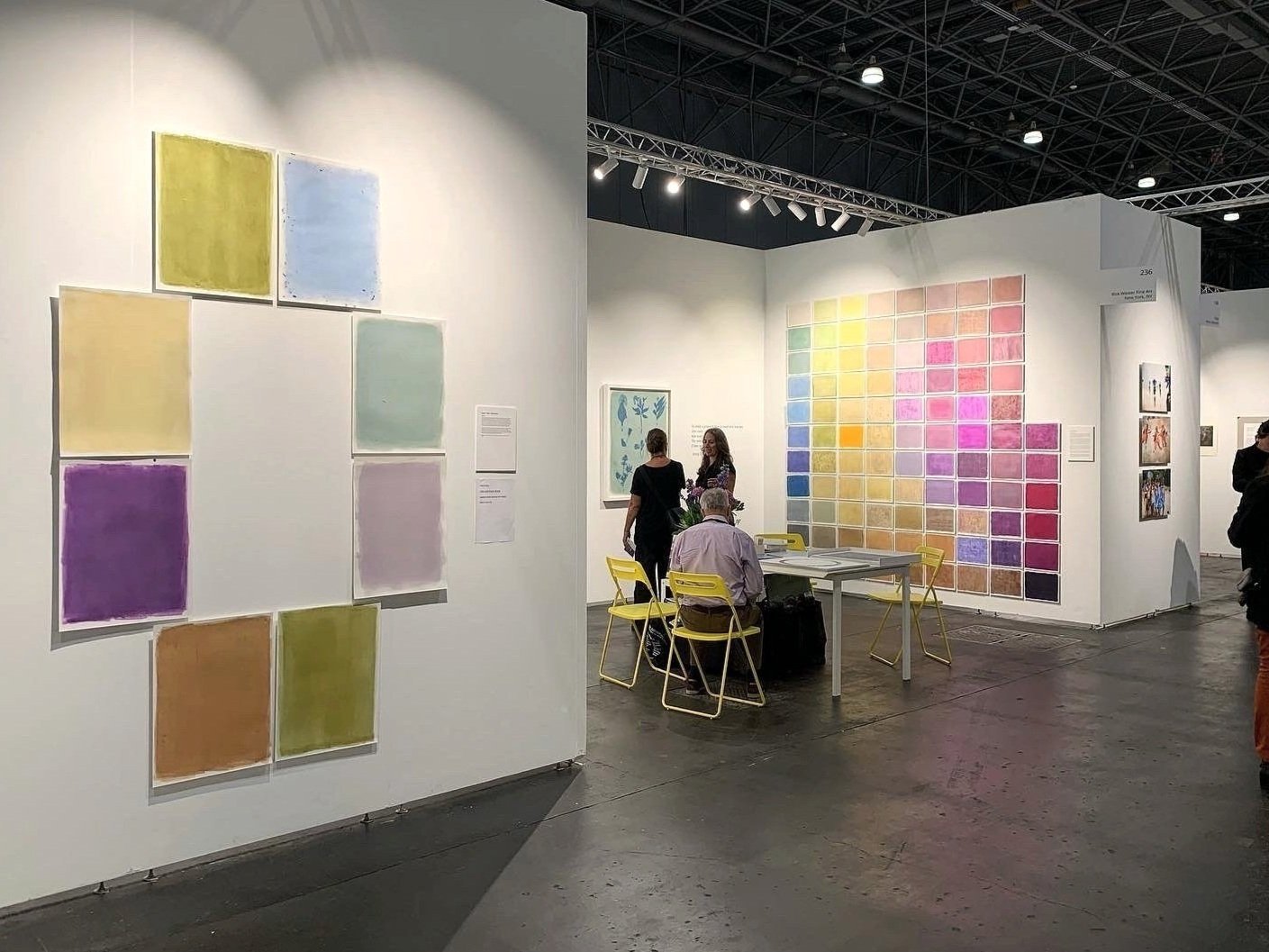
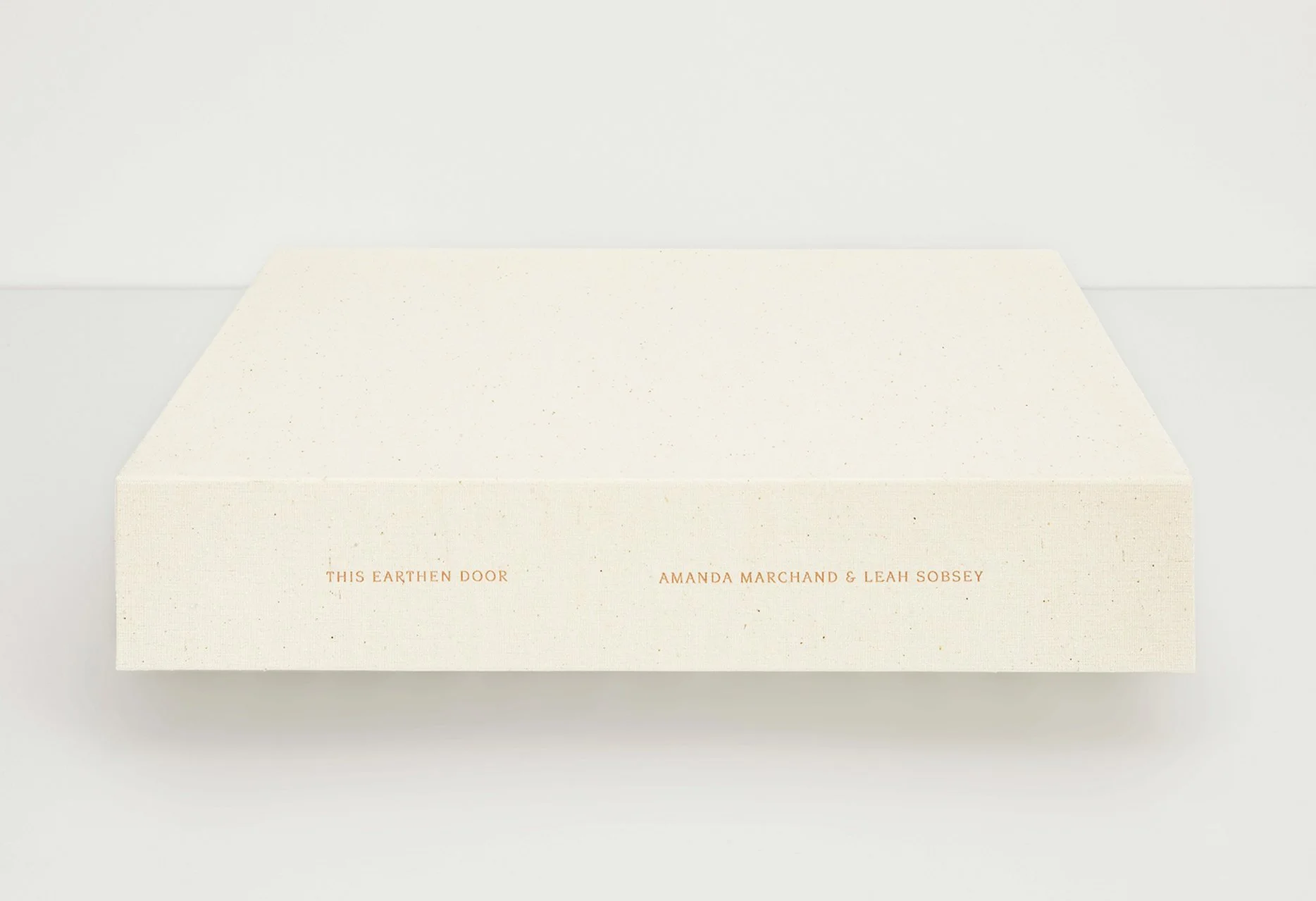
IMAGES: Image 1 - “Herbarium and Chromotaxia: Selections from This Earthen Door” at RWFA 2025; Image 2 - A leaf from Dickinson’s original herbarium and “Herbarium Plate 42 - Pokeweed”; Image 3: Herbarium Plate 4 - Marigold; Image 4: Herbarium Plate 9 - Petunia; Image 5: Herbarium Plate 12 - Red Salvia; Image 6: Herbarium Plate 9 - Poppy; Image 7: The earthen door (earth tones); Image 8: The only ghost I ever saw (Ghost Plant); Image 9 A transport one cannot contain (invasive species); Image 10: Flowers - Well - if anybody (anthotype color wheel); Image 11: This was in the white of the year (Dickinson in white); Image 12-13: “This Earthen Door,” Peter and Stephen Sachs Museum 2024, Missouri Botanical Gardens; Image 14 - AIPAD The Photography Fair 2025;: Image 15-17: PhotoFairs NYC with RWFA; Image 18 - Collector’s Box; Image 19 the artists

This Earthen Door: Emily Dickinson’s Herbarium, published by Datz Press, explores the renowned poet’s deep connection to the natural world. A collaboration between artists Amanda Marchand and Leah Sobsey, this work examines the pure, non-synthetic color found in plants and the symbolism of flowers in art and literature.
In a gesture honoring Dickinson's nearly 200-year-old effort, the photographers grew 66 plants in their gardens to recreate the 66-page herbarium with a Victorian photo process. Anthotypes, plant-based photographs, are made by applying a plant or flower’s colorful juices to paper, then exposing the paper (with a photographic negative on top) to the sun.
In her lifetime, Dickinson was not known as a poet but as an accomplished gardener, as well as a student of botany. Her herbarium book is filled with over 400 pressed plants that she collected from her Massachusetts garden and on walks. This book recreates these pages, now too fragile to ever be seen again - reproducing the herbarium in a new work of and for our time.
3 OPTIONS: At checkout, choose “More Payment Options” for a signed copy: (options may not show up on iphone) I only a few copies left.
1. Book + shipping to USA
2. SIGNED book + shipping to USA
3. Book + NO shipping, friends only/or gallery pickup
(Allow 2-3 wks for shipping. Summer shipping may take up to 5 weeks.)
If you wish to order a book overseas etc, please contact me directly via email.
The work launched at PHOTOFAIRS NYC with Rick Wester Fine Art, Sept 2023. PHOTOFAIR founder, Scott Grey, stated in ArtNEWS that it was an “unbelievable beautiful” example of the scope of photography on display at the fair. “It’s absolutely mind blowing,” he said. “When you scratch the surface, and you understand how that was made and how it was produced and the thinking behind it, and the context behind it and the concept, these artists are incredible.” Read the full article HERE.
Read Maria Popova’s article - The Science and Poetry of Anthotypes: Emily Dickinson’s Herbarium, recreated in Hauntingly Beautiful Flower Pigment Prints via a Victorian Imaging Process: ”Two centuries later, photographers Amanda Marchand and Leah Sobsey pay an anthotype homage to Dickinson in their lovely collaboration This Earthen Door, titled after a line from her poem “We can but follow to the Sun.” Painstakingly recreating all 66 pages of Dickinson’s herbarium in large-scale anthotypes made with juices from 66 species of plants the poet grew in her garden, they offer something uncommonly lyrical — part color study and part time travel, harmonizing the ephemeral and the eternal, radiating the quiet consolation of the dialogue between nature and human nature.” The Marginalian, Jan 2024.
This Earthen Door video demonstrates the anthotype process. Anthotypes are a plant-based, sustainable, eco-friendly way to make photographs.